
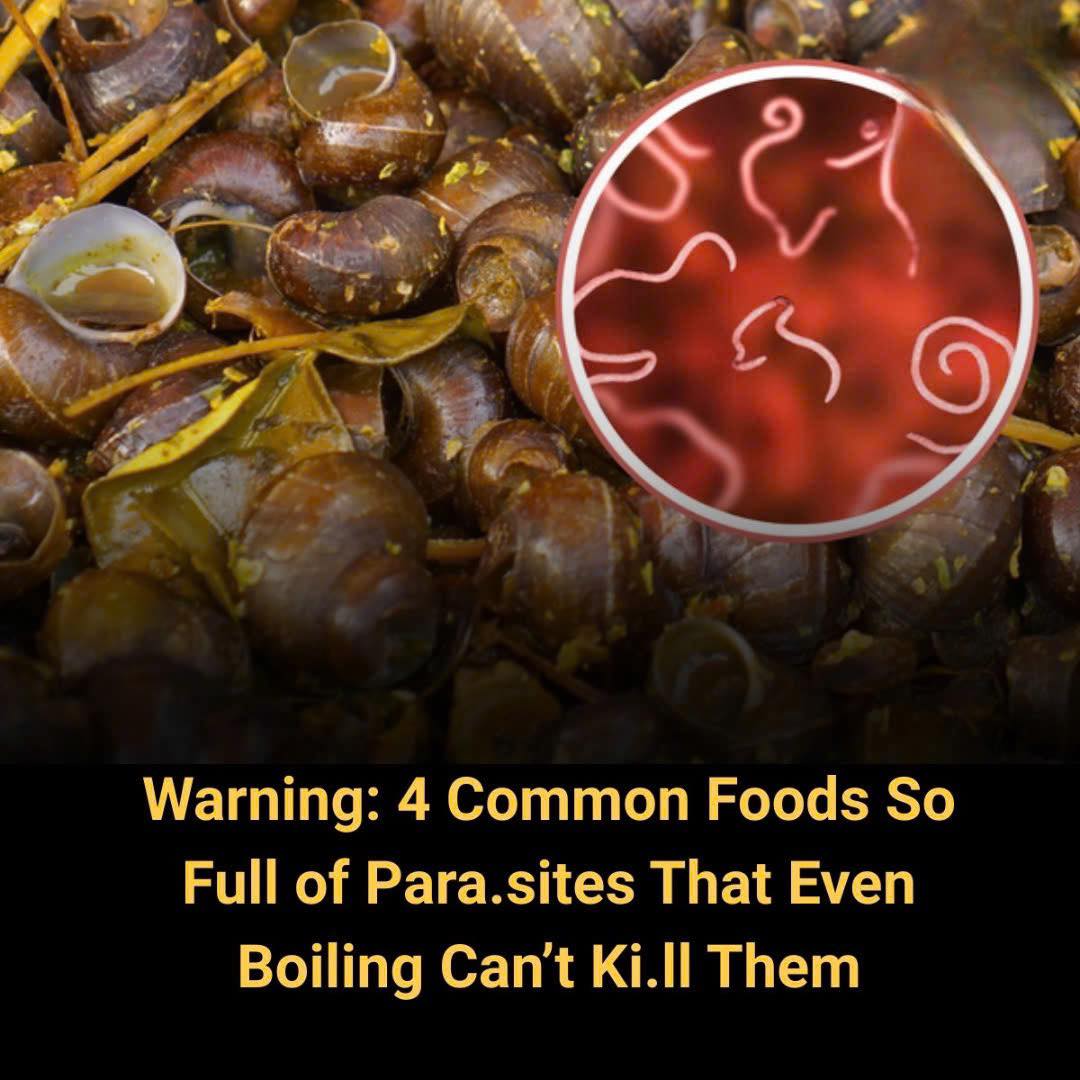
Yet Many People Still Eat Them Without Worry
Every day, millions of people consume foods they believe are harmless — even healthy — without realizing that for some individuals, those same foods may quietly contribute to long-term health problems. While food is essential for nourishment and enjoyment, it is equally important to understand that not every body reacts the same way to every ingredient.
Certain foods continue to be widely eaten without concern, despite growing medical awareness about their potential risks when consumed excessively or by sensitive individuals.
Here is a closer, professional look at why some commonly consumed foods deserve more attention.
1. Processed Meats: A Hidden Cardiovascular Risk
Bacon, sausages, hot dogs, and deli meats are convenient and flavorful. However, research has consistently linked high consumption of processed meats to increased risks of cardiovascular disease and certain cancers.
The World Health Organization has classified processed meat as a Group 1 carcinogen, meaning there is sufficient evidence that it can contribute to cancer development, particularly colorectal cancer.
Despite this, many people still consume processed meats daily without considering portion size or frequency.
Moderation is essential.
2. Sugary Beverages: The Silent Metabolic Disruptor
Soft drinks, energy drinks, sweetened teas, and fruit-flavored beverages are among the largest sources of added sugars in modern diets.
According to the American Heart Association, excessive added sugar intake is strongly linked to obesity, type 2 diabetes, fatty liver disease, and heart problems.
Liquid sugar is particularly concerning because it does not create the same feeling of fullness as solid food, making overconsumption easy and frequent.
Yet many individuals continue drinking these beverages daily without fully understanding the metabolic consequences.
3. Excess Salt: A Quiet Contributor to High Blood Pressure
Salt is necessary in small amounts, but modern diets often contain far more sodium than recommended.
The Centers for Disease Control and Prevention reports that high sodium intake is closely linked to hypertension, which increases the risk of stroke and heart disease.
Packaged foods, canned soups, sauces, and restaurant meals often contain hidden sodium. People may not taste excessive salt, but the body feels its impact over time.
4. Refined Carbohydrates: Blood Sugar Spikes Without Warning
White bread, pastries, sugary cereals, and many processed snacks are made from refined grains that lack fiber and essential nutrients.
These foods can cause rapid spikes and crashes in blood sugar levels, increasing insulin resistance over time — particularly in individuals at risk for type 2 diabetes.
Though they are widely available and culturally normalized, excessive consumption can gradually undermine metabolic health.
5. Deep-Fried Foods: Inflammation and Oxidative Stress
Fried foods, especially those cooked in reused oils, may contain harmful compounds formed during high-heat cooking.
Frequent intake of deep-fried foods has been associated with:
-
Increased inflammation
-
Elevated cholesterol levels
-
Greater cardiovascular risk
While occasional consumption may not be harmful for healthy individuals, habitual intake raises concerns.
Why Do People Continue Eating Them Without Worry?
