
Why We Don’t Notice Good Design
The irony of good design is that it often goes unnoticed.
When something works well, we rarely think about it. We only notice design when it fails — when a lid won’t open, a handle hurts to grip, or a button is hard to press.
But the best-designed objects fade into the background. They feel natural. Intuitive. Effortless.
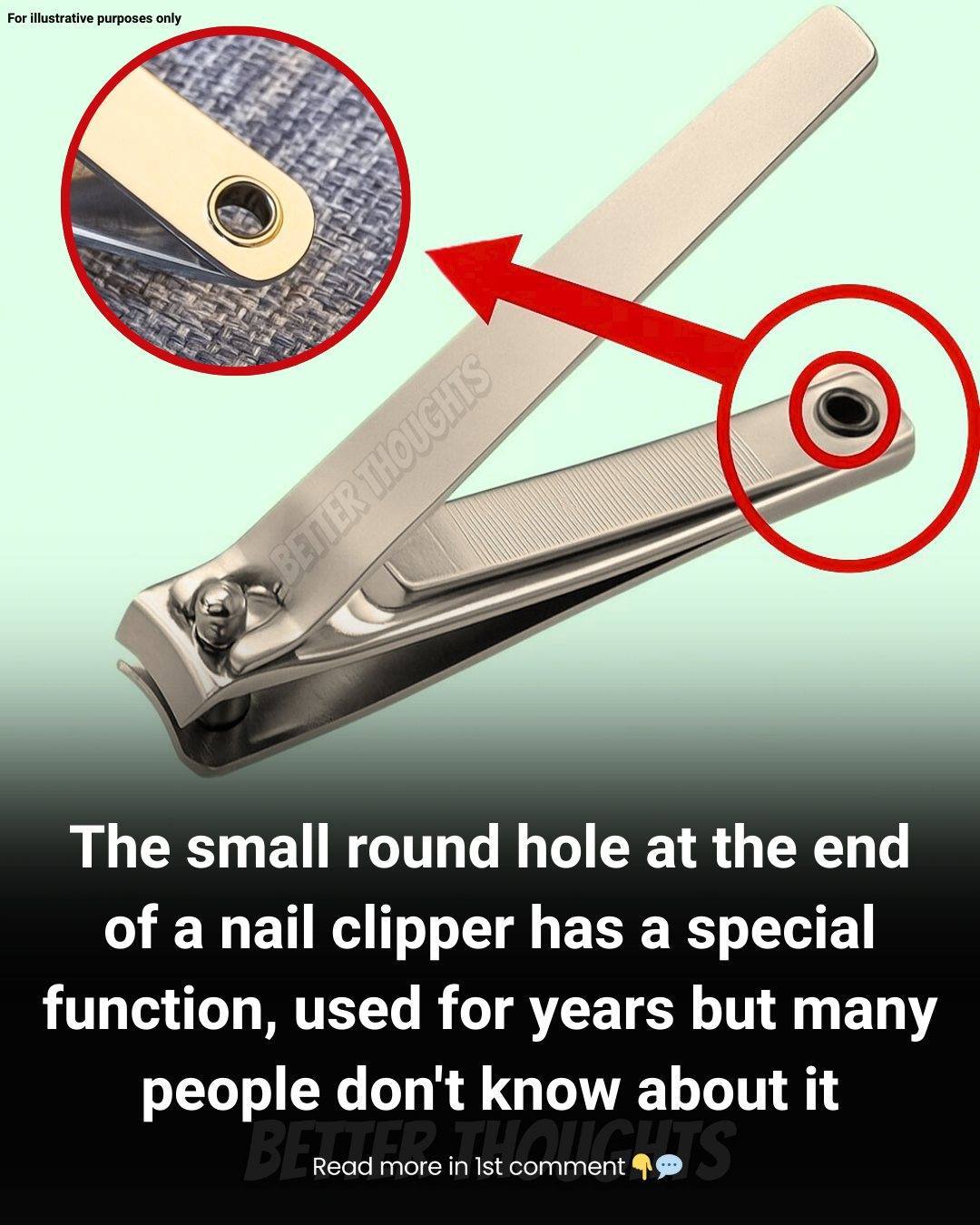
The nail clipper is a perfect example. Its design has remained largely unchanged for decades, not because of laziness, but because it works. Every curve and component serves a purpose refined over time.
In many ways, it represents the highest compliment a tool can receive: invisibility.
Aging Changes How We See Everyday Objects
When we’re younger, speed and convenience dominate our priorities. We want things fast, sleek, and efficient.
As we grow older, comfort, safety, and ease take center stage. We begin to appreciate objects that don’t rush us, strain us, or demand precision we may no longer have.
That shift in perspective teaches us something valuable: progress isn’t always about making things more complex. Sometimes it’s about making them gentler.
The tiny hole on a nail clipper becomes a symbol of that philosophy. It’s not flashy. It doesn’t announce itself. But it quietly adapts to human needs across a lifetime.
A Lesson Hidden in Everyday Tools
There’s a broader lesson here.
Our homes are full of objects like this — tools designed with care, empathy, and foresight. Jar openers, ergonomic scissors, curved handles, textured grips — each one reflects an understanding that human bodies change, and tools should change with them.
When we notice these details, we begin to approach aging differently. Not as a loss of ability, but as a shift toward smarter solutions.
Aging gracefully isn’t about doing everything the same way forever. It’s about using the right tools, embracing thoughtful design, and allowing small innovations to preserve comfort and independence.
The Quiet Brilliance of Small Things
