
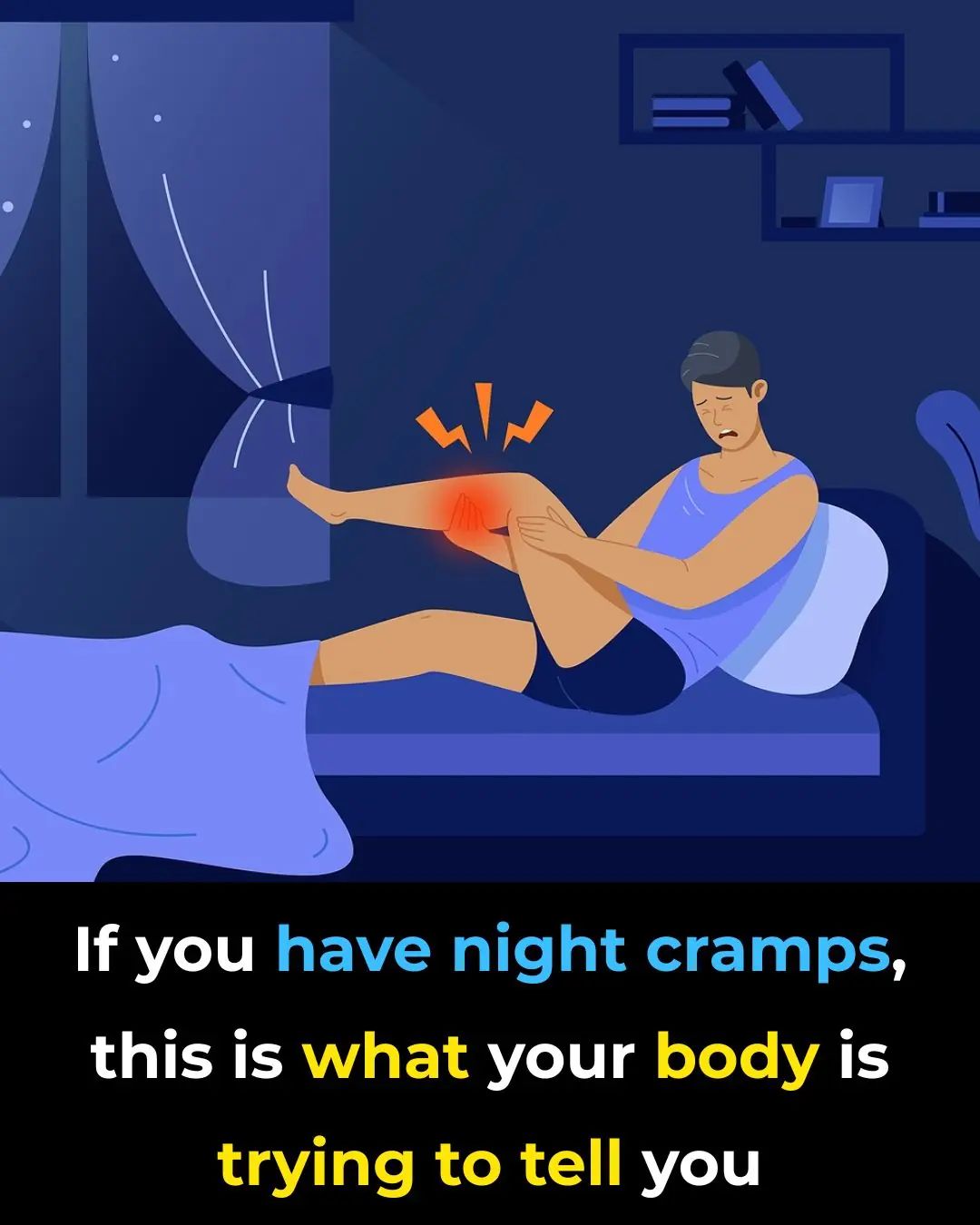
Night Cramps: What Your Body May Be Trying to Tell You
Waking up in the middle of the night with a painful leg cramp can be shocking and uncomfortable. Night cramps, especially in the calves, are very common, particularly in adults and older women. Although they are usually harmless, they can sometimes be your body’s way of signaling that something needs attention.
Let us explore the most common reasons behind night cramps and what they may mean.
1. Dehydration
One of the most common causes of night cramps is not drinking enough water during the day. When your body is dehydrated, your muscles can become more prone to tightening and spasms.
Your body may be telling you:
-
You need to increase your daily water intake.
-
You may have lost fluids through heat, sweating, or illness.
Simple tip: Try drinking water regularly throughout the day instead of waiting until you feel thirsty.
2. Mineral Imbalance
Muscles rely on minerals such as magnesium, potassium, calcium, and sodium to function properly. If these levels are too low, muscle contractions can become irregular and painful.
Your body may be telling you:
-
You may be lacking magnesium.
-
Your potassium levels may be low.
-
Your calcium intake might not be sufficient.
Foods rich in these minerals include bananas, leafy greens, nuts, seeds, yogurt, and legumes. However, before taking supplements, it is always best to consult a healthcare professional.
3. Poor Circulation
If blood flow to the legs is reduced, muscles may not receive enough oxygen, which can trigger cramps during rest.
Your body may be telling you:
-
You have been sitting or standing too long during the day.
-
You may need more gentle movement or stretching.
Light walking, leg elevation, and simple calf stretches before bed can help improve circulation.
4. Muscle Fatigue or Overuse
If you walked more than usual, exercised intensely, or stood for long periods, your muscles may become overworked.
Your body may be telling you:
-
Your muscles need rest and recovery.
-
You may benefit from gentle stretching before sleep.
Warm baths or light massage in the evening can relax tired muscles.
5. Hormonal Changes
Night cramps are more common during pregnancy and menopause. Hormonal fluctuations can affect muscle and nerve function.
Your body may be responding to:
-
Changes in estrogen levels.
-
Increased pressure on blood vessels during pregnancy.
If cramps are frequent during these periods, discussing them with a doctor can be helpful.
6. Certain Medications
