
Common Symptoms to Watch For
If contaminated or poorly digested lettuce causes problems, symptoms may include:
-
Nausea or vomiting
-
Stomach cramps
-
Diarrhea
-
Fever
-
Fatigue
Anyone experiencing severe or persistent symptoms should seek medical attention immediately.
How to Eat Lettuce More Safely in Winter
Doctors don’t say you must completely avoid lettuce — but they strongly recommend caution:
 Wash lettuce thoroughly with clean running water Avoid pre-cut or packaged salads Store lettuce properly and consume it quickly Consider lightly cooking leafy greens instead Replace lettuce with winter-friendly vegetables like spinach, carrots, cabbage, or broccoli
The Bottom Line
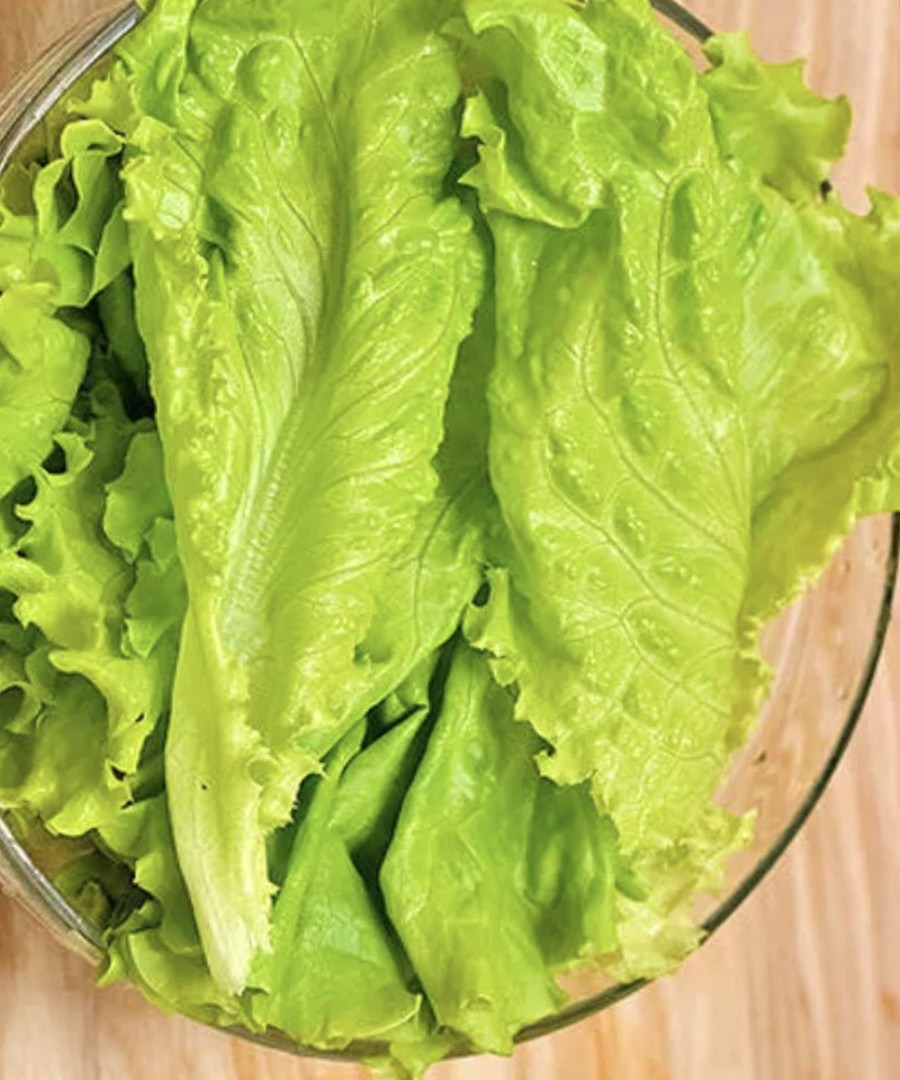
Lettuce is not inherently dangerous — but in winter, how and how often you eat it matters. Doctors urge people to be mindful, especially when consuming raw vegetables during colder months.
A balanced, seasonal diet remains the safest choice for maintaining good health year-round.
