
Certain factors increase the risk of developing dangerous clots:
Long periods of sitting or immobility
Recent surgery or injury
Smoking
Obesity
Pregnancy
Birth control pills or hormone therapy
Family history of clotting disorders
Why Early Detection Matters
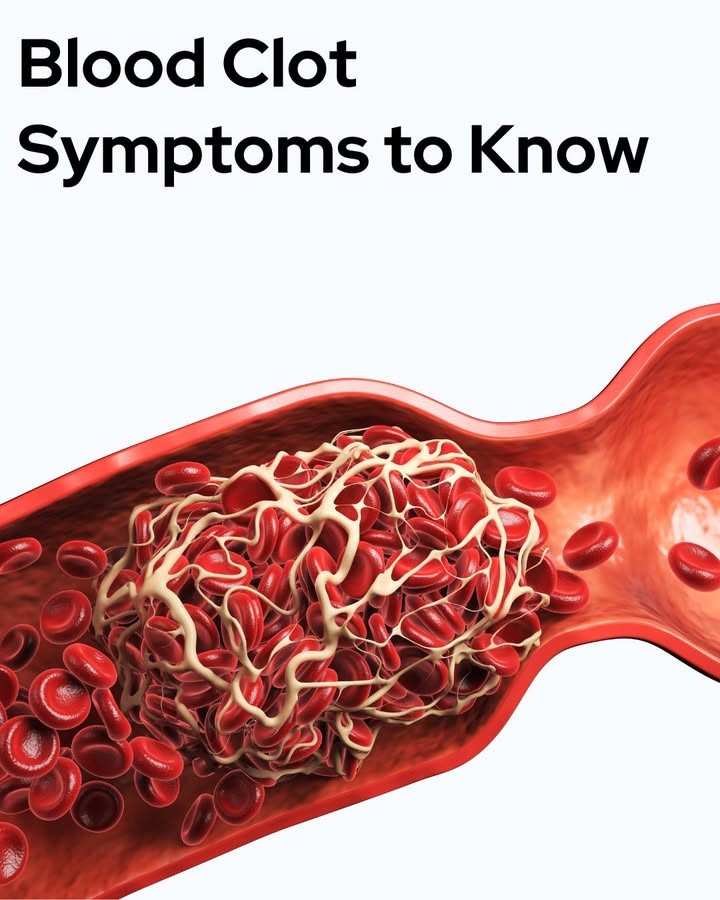
Blood clots can grow or travel to other parts of the body. Early diagnosis allows treatment with blood thinners or other therapies that prevent serious complications.
If you notice unexplained swelling, chest pain, sudden shortness of breath, or stroke symptoms, seek emergency medical care immediately.
Prevention Tips
Move regularly, especially during long trips
Stay hydrated
Maintain a healthy weight
Avoid smoking
Follow medical advice after surgery
Frequently Asked Questions
1. Can a blood clot go away on its own?
Some small clots may dissolve naturally, but many require medical treatment to prevent complications.
2. Is leg pain always a blood clot?
No. Many conditions cause leg pain. However, swelling and warmth in one leg should be evaluated by a doctor.
3. How quickly do symptoms appear?
Symptoms can develop suddenly or gradually, depending on the location and size of the clot.
4. Are blood clots common?
Yes. They affect hundreds of thousands of people each year worldwide.
5. Who is most at risk?
People who are immobile for long periods, smokers, pregnant women, and individuals with certain medical conditions have higher risk.
6. When should I go to the emergency room?
If you experience sudden chest pain, difficulty breathing, signs of stroke, or severe unexplained swelling, seek emergency care immediately.
