
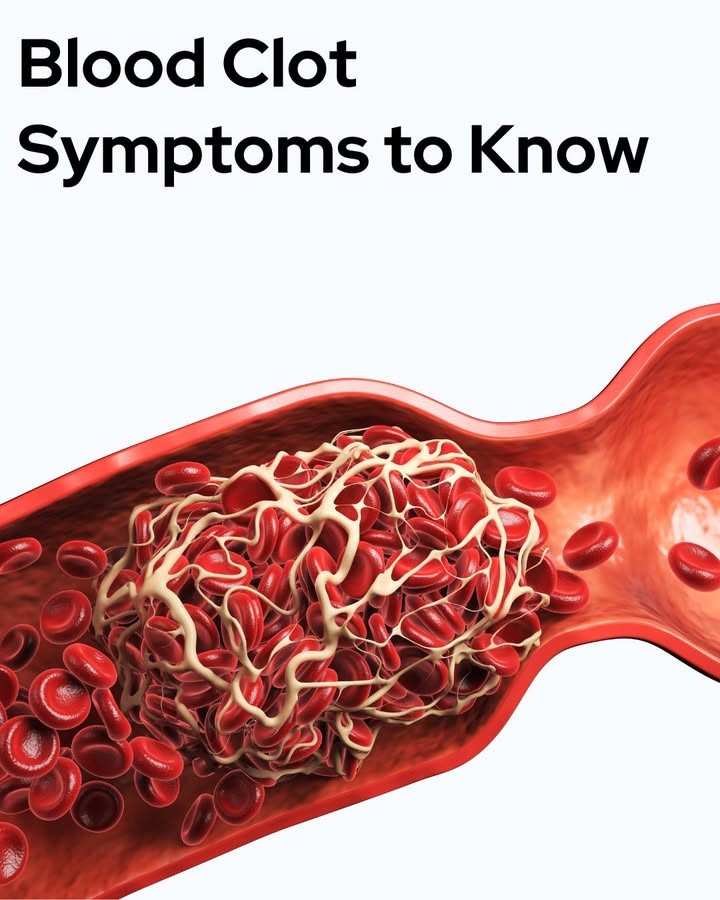
Blood Clot Symptoms to Know
Blood clots are a serious medical condition that can become life-threatening if not recognized and treated quickly. While clotting is a normal and necessary process that helps stop bleeding after an injury, dangerous clots can form inside veins or arteries without a visible wound. When this happens, blood flow may be partially or completely blocked, leading to severe complications.
Understanding the symptoms of a blood clot can help you seek medical attention early and potentially prevent life-threatening events such as stroke, heart attack, or pulmonary embolism.
What Is a Blood Clot?
A blood clot is a gel-like clump of blood that forms when platelets and proteins in your plasma work together to stop bleeding. This process is essential when you are injured. However, when a clot forms inside a blood vessel without an injury, it can restrict blood circulation.
Clots most commonly form in the legs, lungs, heart, or brain.
Deep Vein Thrombosis (DVT) Symptoms
Deep vein thrombosis occurs when a clot forms in a deep vein, usually in the leg. Symptoms may include:
Swelling in one leg (rarely both)
Pain or tenderness in the calf or thigh
Warmth in the affected area
Red or discolored skin
Leg fatigue or heaviness
The pain may feel like a cramp or soreness that does not go away.
Pulmonary Embolism (PE) Symptoms
A pulmonary embolism happens when a clot travels to the lungs. This is a medical emergency. Symptoms can include:
Sudden shortness of breath
Sharp chest pain that worsens with deep breathing
Rapid heart rate
Lightheadedness or fainting
Coughing, sometimes with blood
Immediate medical care is critical if these symptoms appear suddenly.
Heart Clot Symptoms
A clot in the heart can lead to a heart attack. Warning signs include:
Chest pressure or tightness
Pain spreading to the arm, jaw, neck, or back
Shortness of breath
Nausea
Cold sweats
These symptoms require emergency treatment.
Stroke Symptoms (Clot in the Brain)
A clot blocking blood flow to the brain can cause a stroke. Common signs include:
Sudden numbness or weakness on one side of the body
Confusion or difficulty speaking
Vision problems
Severe headache
Loss of balance or coordination
The FAST rule can help identify stroke quickly:
Face drooping
Arm weakness
Speech difficulty
Time to call emergency services
Risk Factors for Blood Clots
Certain factors increase the risk of developing dangerous clots:
