
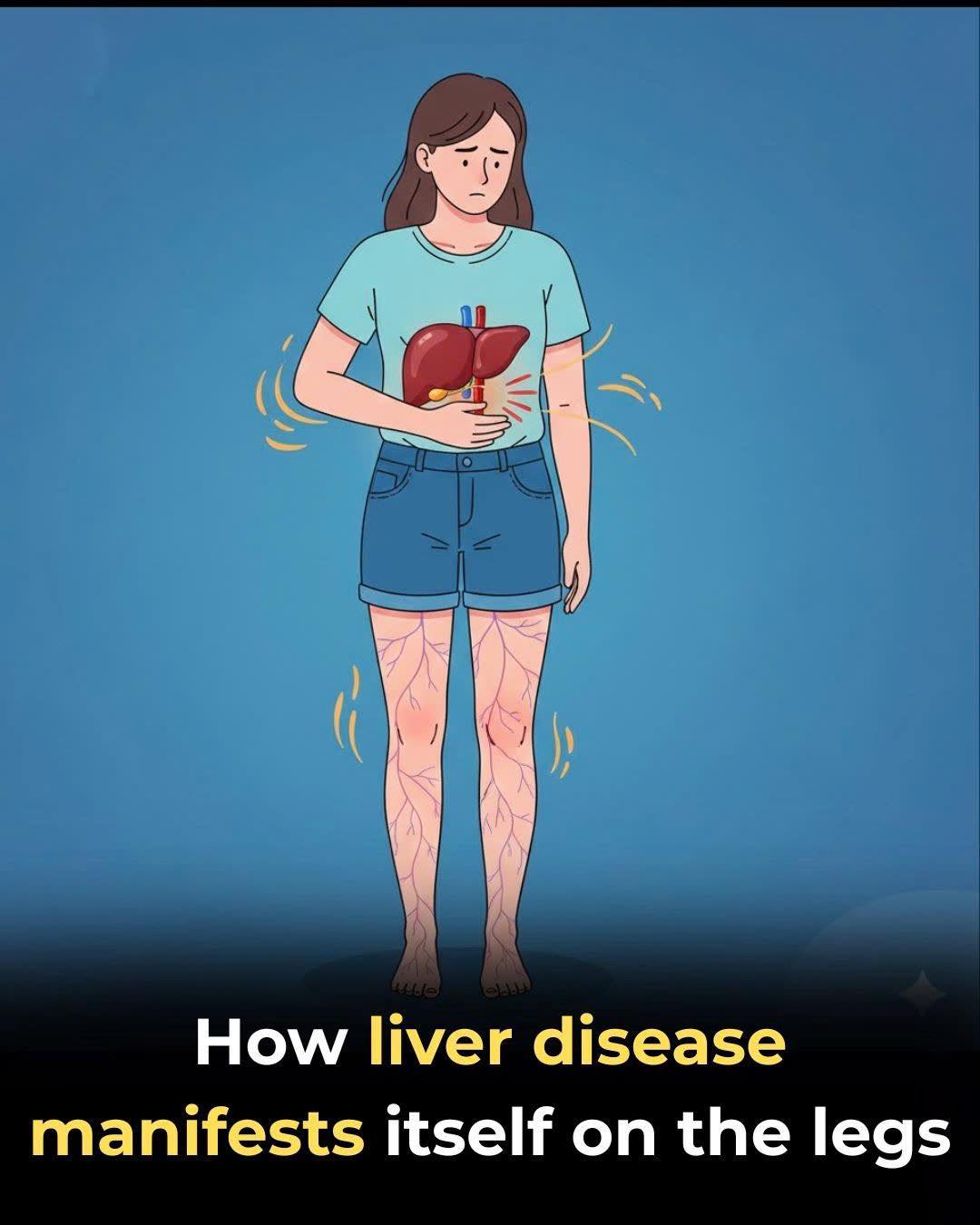
5 important things your legs may be trying to tell you, and why you should never ignore them.
1. Persistent Leg Pain Could Signal Poor Circulation
If you feel cramping, aching, or heaviness in your calves when walking — especially if it improves with rest — this may be a sign of peripheral artery disease (PAD).
PAD occurs when arteries narrow and reduce blood flow to the legs. According to the American Heart Association, PAD can increase the risk of heart attack and stroke if left untreated.
Warning signs include:
-
Pain when walking that stops with rest
-
Cold feet
-
Slow-healing wounds on toes
-
Weak pulse in the legs
This is not “just aging.” It needs medical evaluation.
2. Swelling in One Leg May Be Dangerous
If one leg suddenly becomes swollen, warm, red, and painful, it could indicate a deep vein thrombosis (DVT) — a blood clot in a deep vein.
The Centers for Disease Control and Prevention warns that DVT can lead to a life-threatening pulmonary embolism if the clot travels to the lungs.
This is a medical emergency. Do not wait.
3. Nighttime Leg Cramps Could Signal Mineral Imbalance
Frequent leg cramps at night may be linked to:
-
Dehydration
-
Low magnesium
-
Low potassium
-
Poor circulation
Occasional cramps are common. But if they are frequent, painful, and disturbing your sleep, it may be worth checking your hydration and mineral levels.
4. Numbness or Tingling May Point to Nerve Damage
A “pins and needles” sensation, burning pain, or numbness in the legs could be a sign of nerve issues.
Common causes include:
-
Diabetes-related nerve damage
-
Sciatica
-
Vitamin B12 deficiency
The American Diabetes Association explains that diabetic neuropathy often starts in the feet and legs.
Early detection can prevent worsening nerve damage.
5. Heavy, Aching Legs with Visible Veins
