
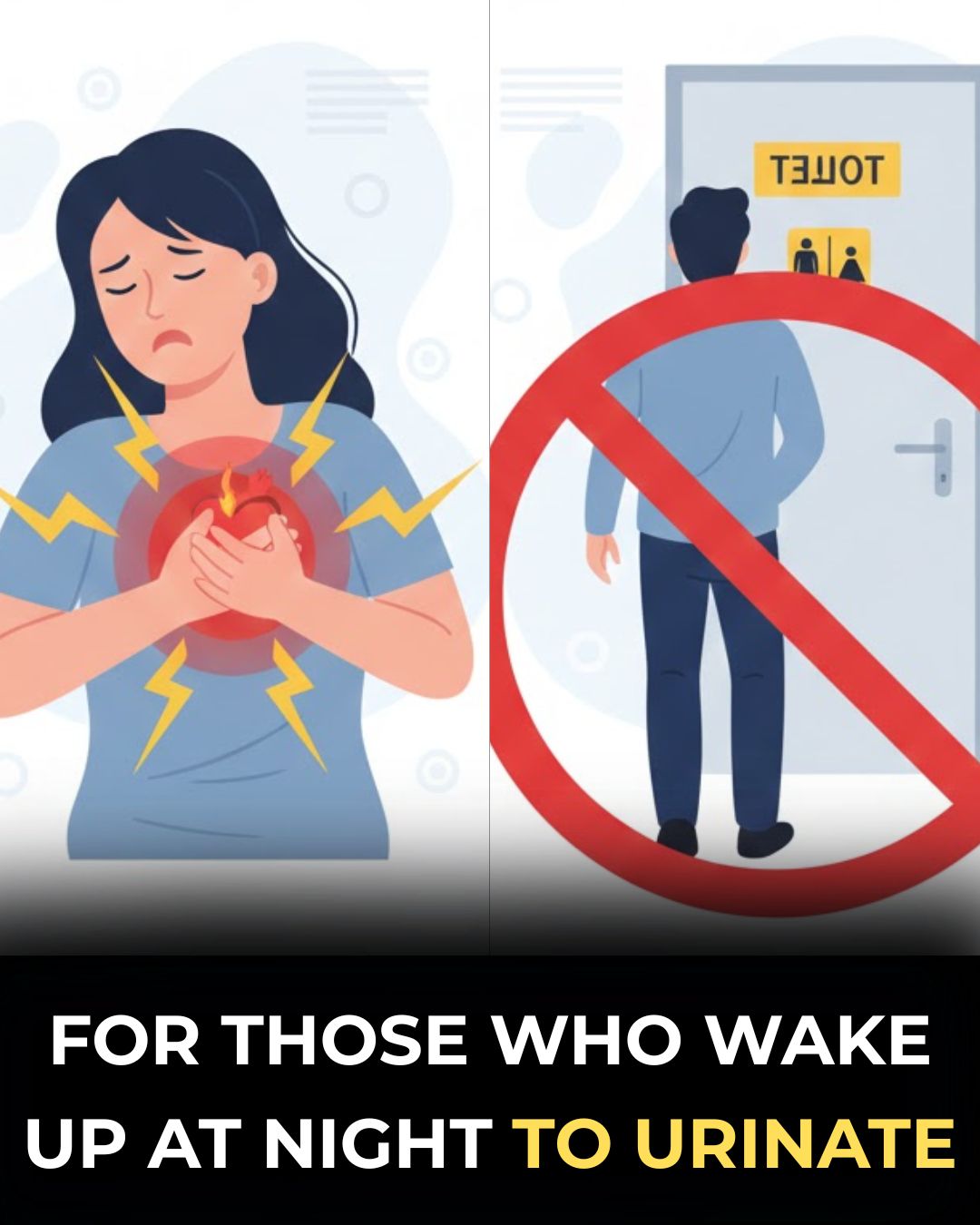
Waking up frequently during the night to urinate — a condition known medically as nocturia — is common, especially as we get older. But if it happens regularly (more than once per night) and disrupts your sleep, it may be linked to an underlying health issue.
Here are the most common causes you should be aware of:
1. Diabetes (Type 1 or Type 2)
Frequent nighttime urination can be an early warning sign of diabetes. When blood sugar levels are high, the kidneys work harder to remove excess glucose through urine.
The American Diabetes Association lists frequent urination — especially at night — as a classic symptom of diabetes, along with increased thirst and unexplained weight changes.
If nocturia is combined with extreme thirst or fatigue, it is important to get your blood sugar checked.
2. Urinary Tract Infection (UTI)
A urinary tract infection can irritate the bladder, causing:
-
Frequent urination
-
Burning sensation
-
Urgency even when little urine comes out
-
Pelvic discomfort
If nighttime urination is painful or accompanied by fever, medical attention is needed.
3. Enlarged Prostate (in Men)
In men over 50, frequent nighttime urination is often linked to benign prostatic hyperplasia (BPH) — a non-cancerous enlargement of the prostate gland.
The National Institute on Aging explains that BPH can press against the urethra, reducing bladder emptying and increasing the need to urinate at night.
4. Overactive Bladder
An overactive bladder causes sudden, strong urges to urinate — sometimes multiple times at night. This can occur even when the bladder is not full.
It may be related to nerve signals between the brain and bladder.
5. Heart Problems
Surprisingly, heart failure can lead to nighttime urination. When lying down, fluid that accumulated in the legs during the day returns to the bloodstream and is processed by the kidneys.
The American Heart Association notes that increased nighttime urination can sometimes be a symptom of heart failure, especially when accompanied by swelling in the legs and shortness of breath.
6. Kidney Issues
The kidneys regulate fluid balance. If they are not functioning properly, urination patterns may change — including increased frequency at night.
7. Sleep Disorders
Conditions such as sleep apnea can also cause nocturia. Interrupted breathing affects hormones that regulate urine production.
In some cases, the problem is not the bladder — it is disrupted sleep causing you to notice the urge more often.
8. Drinking Habits
